
 Image 1 of 10
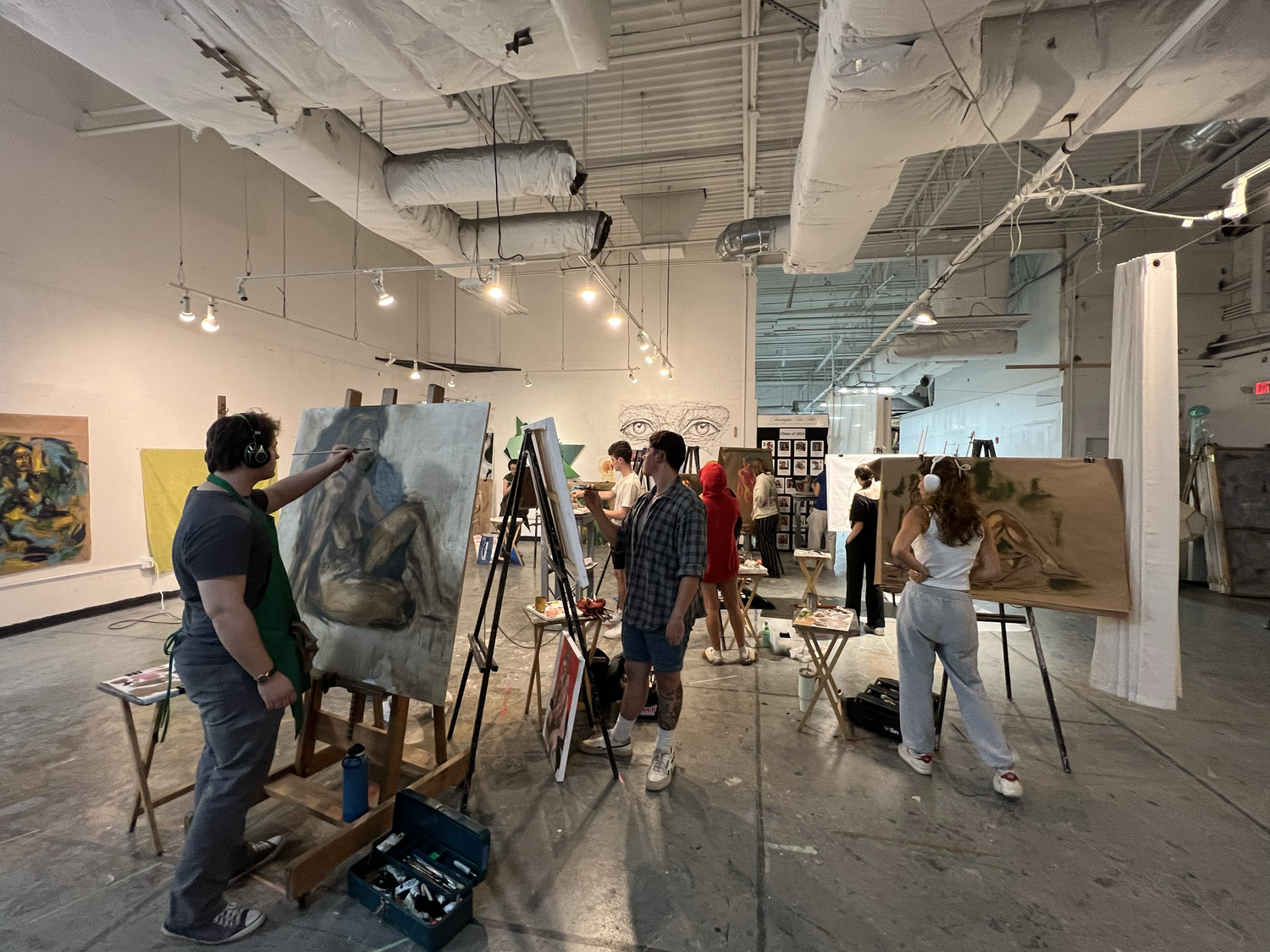 Image 2 of 10
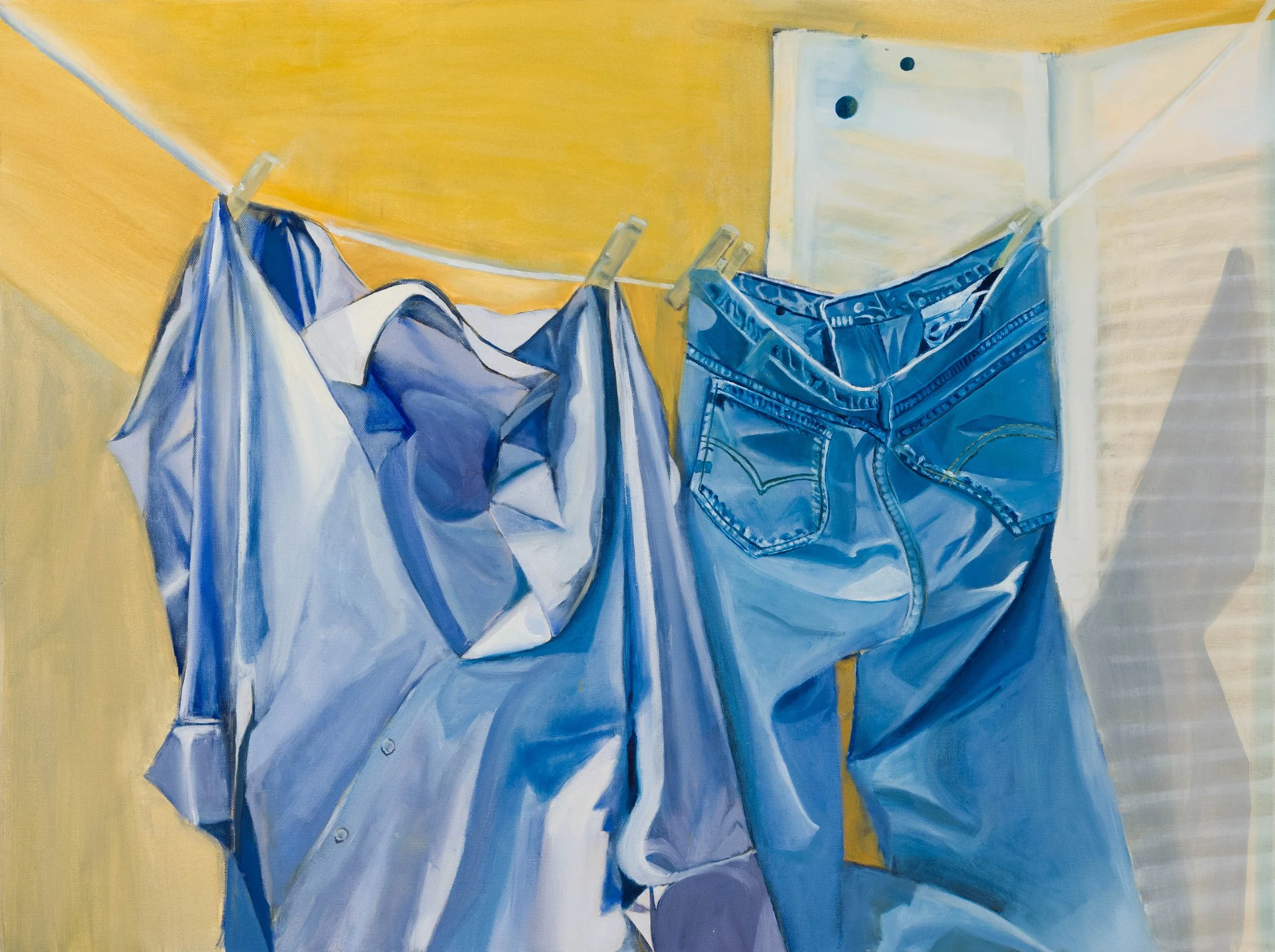 Image 3 of 10
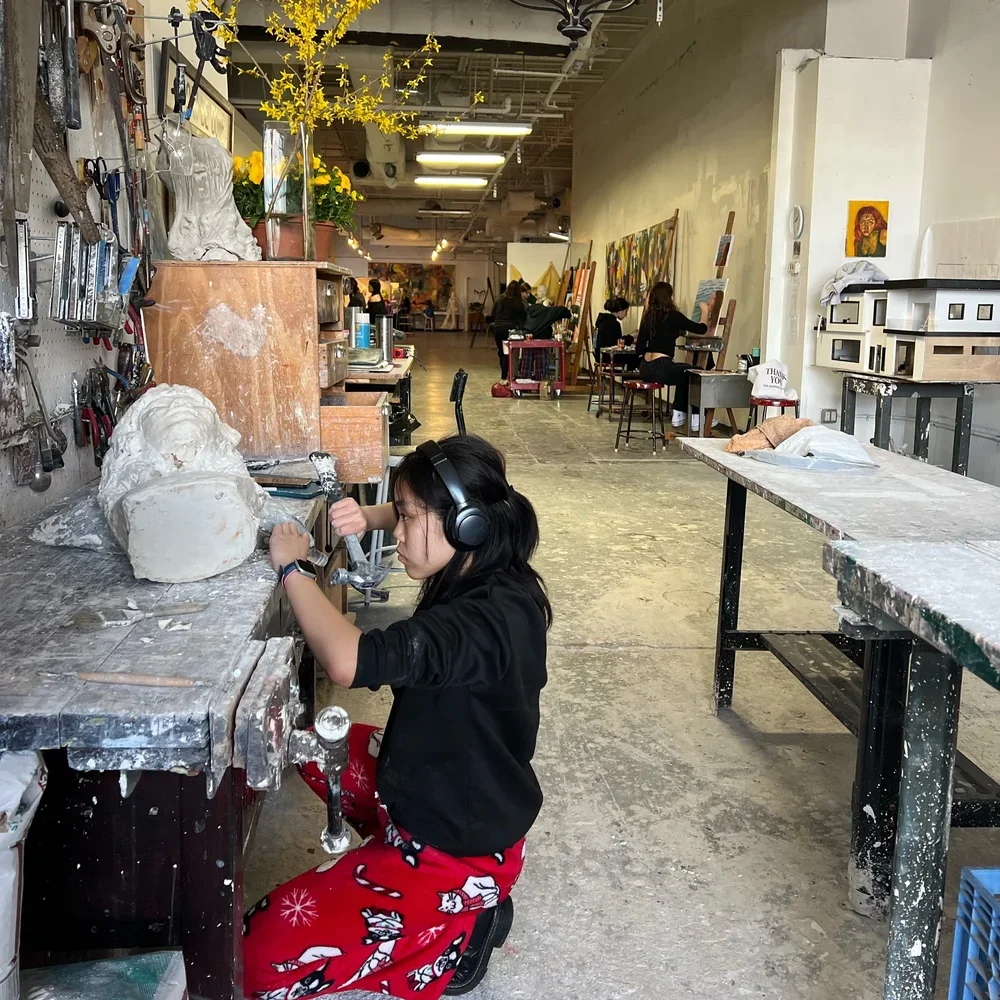 Image 4 of 10
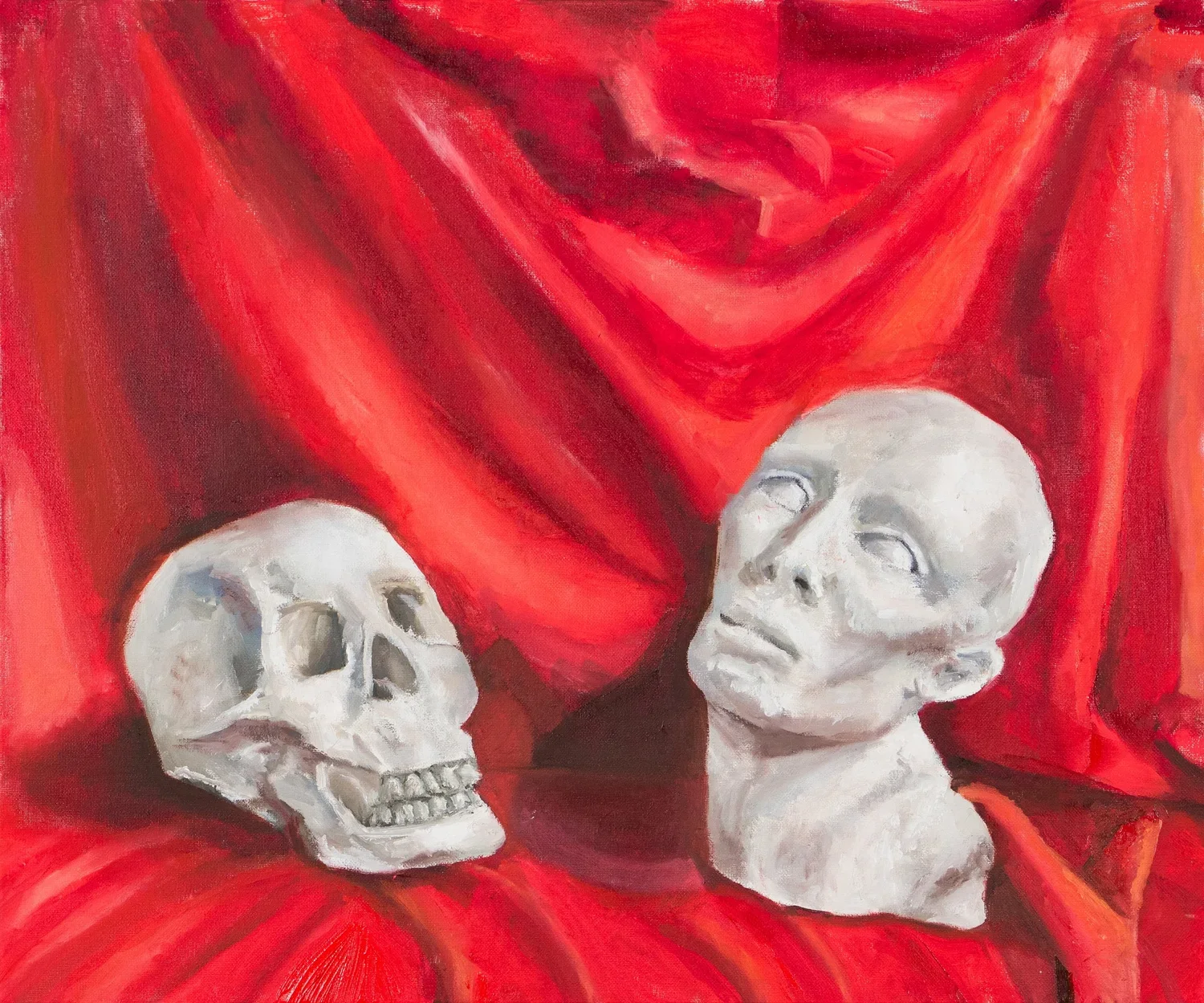 Image 5 of 10
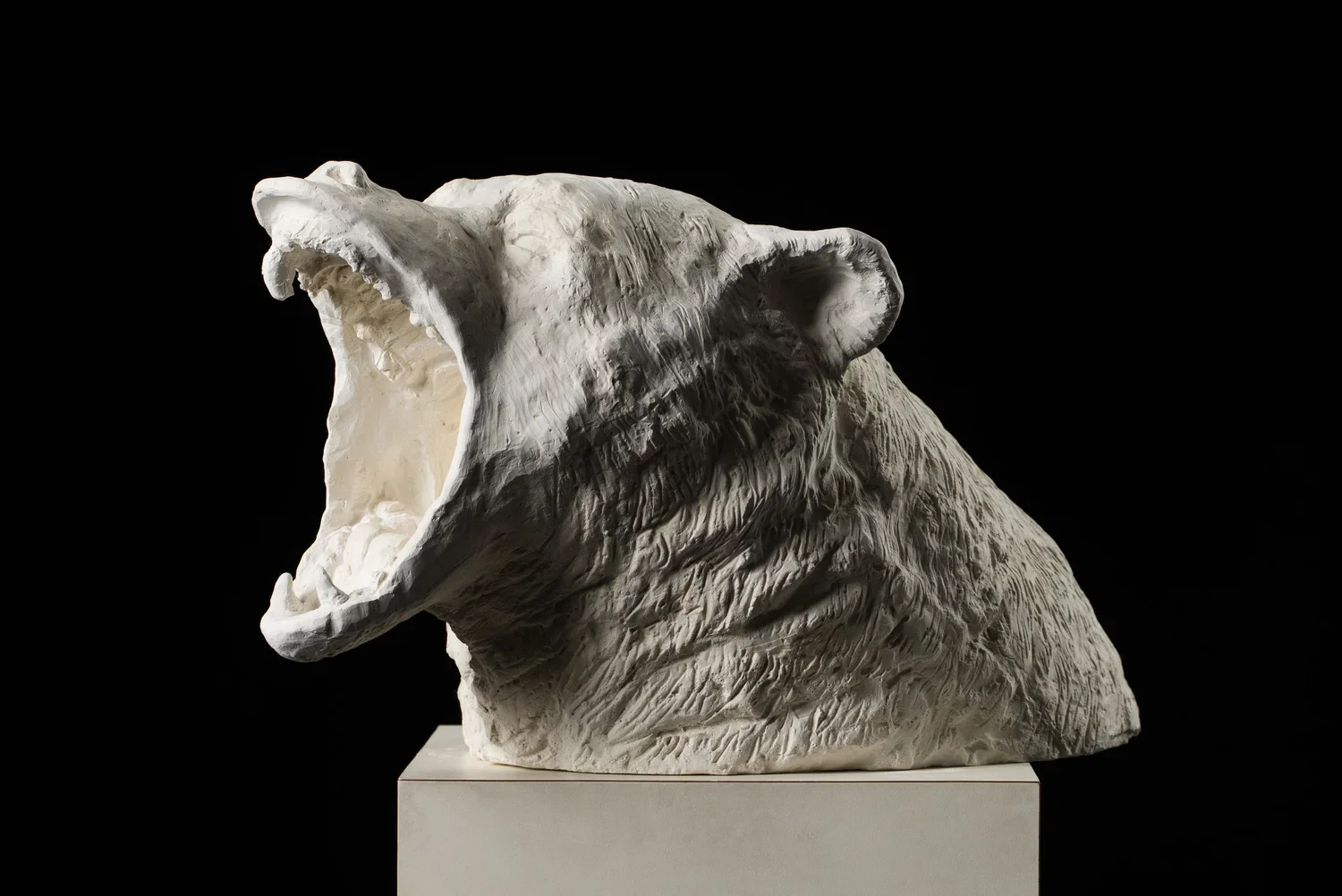 Image 6 of 10
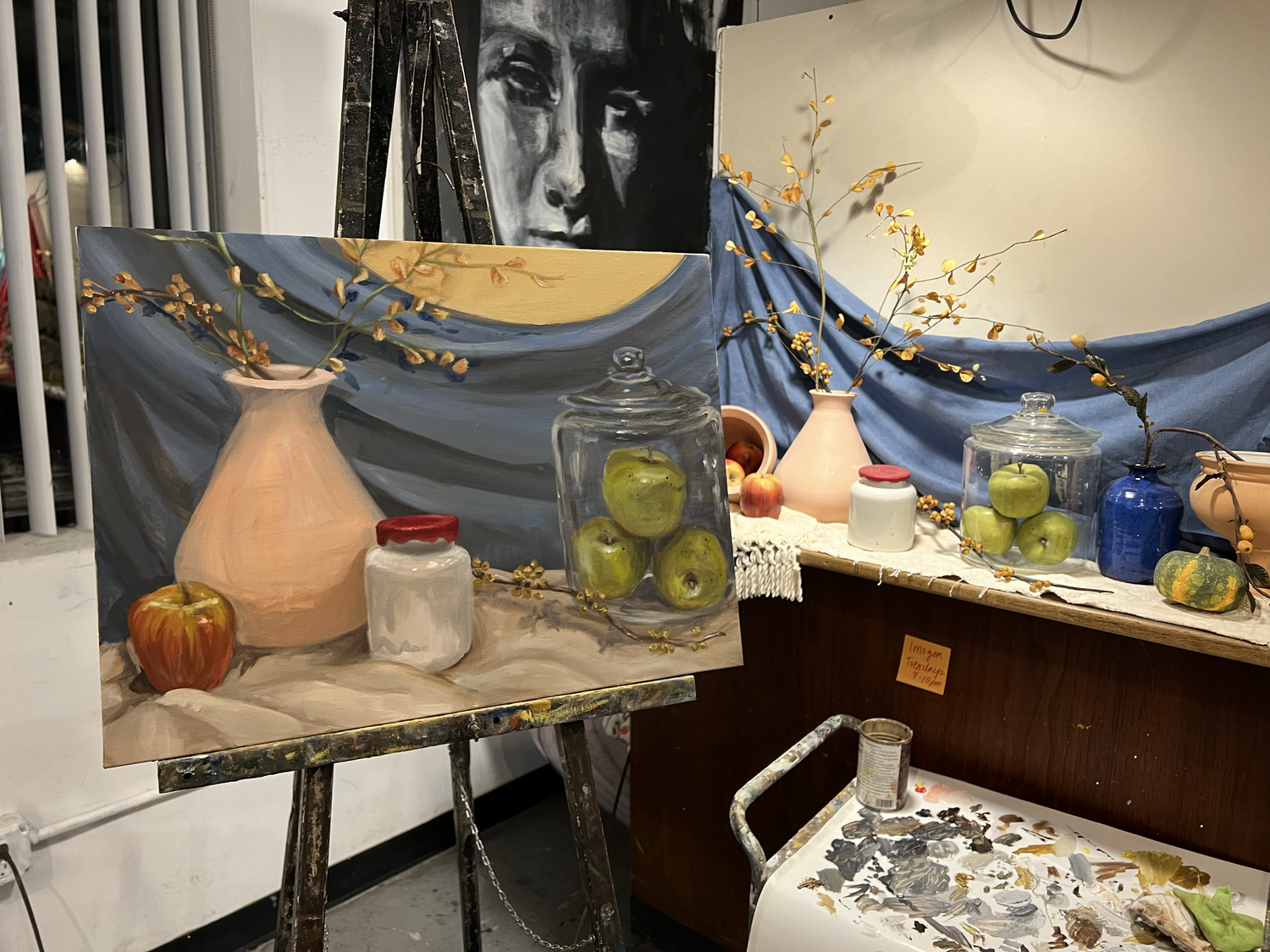 Image 7 of 10
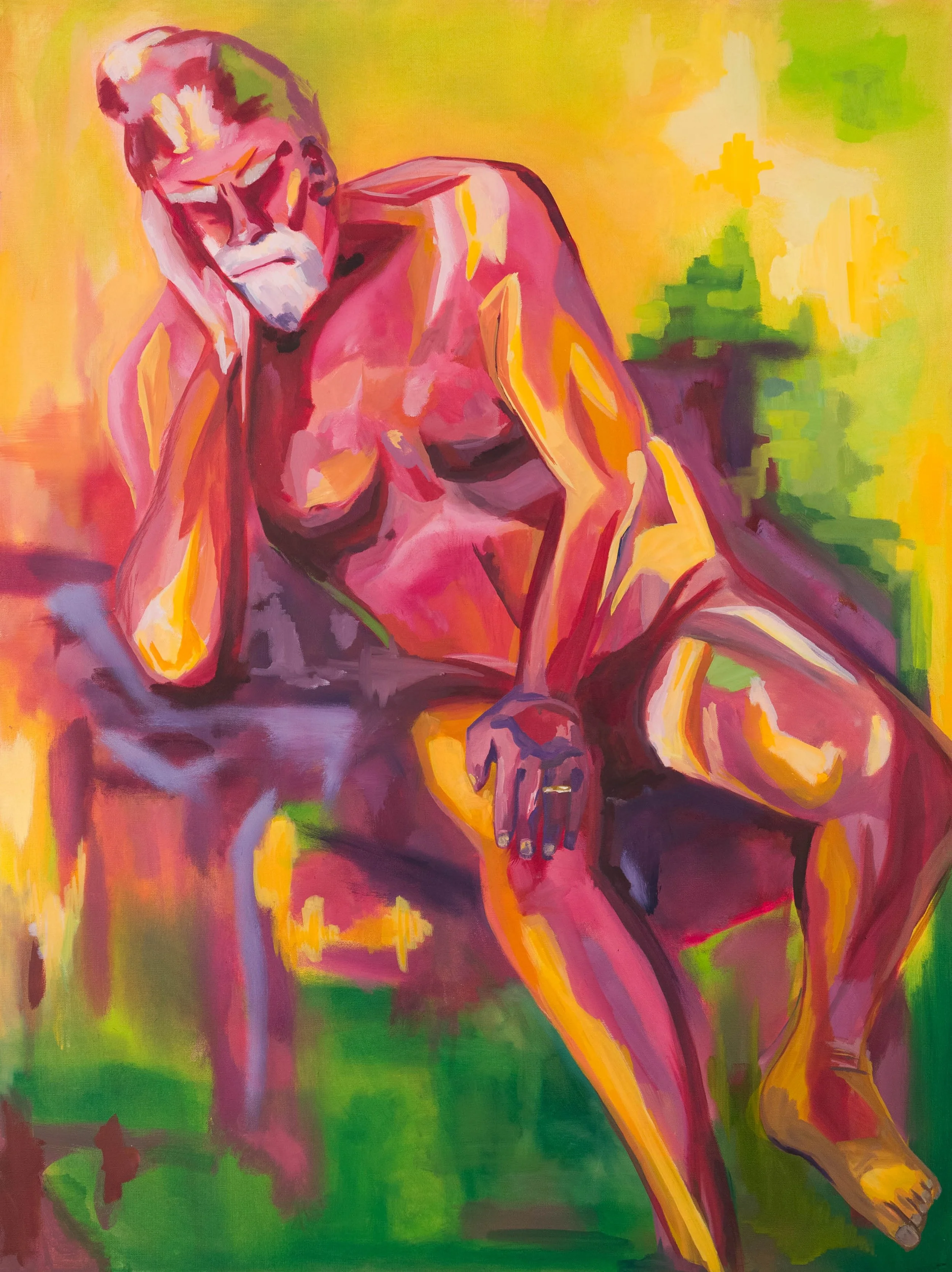 Image 8 of 10
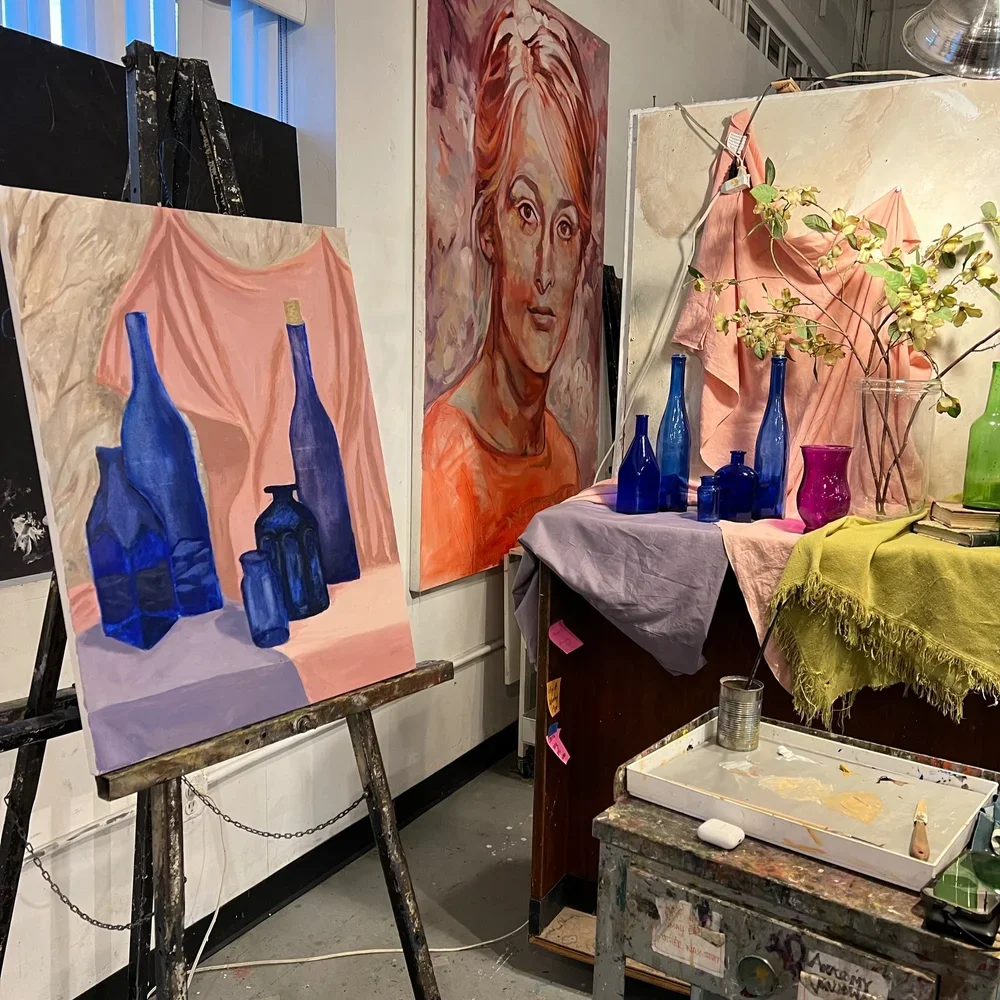 Image 9 of 10
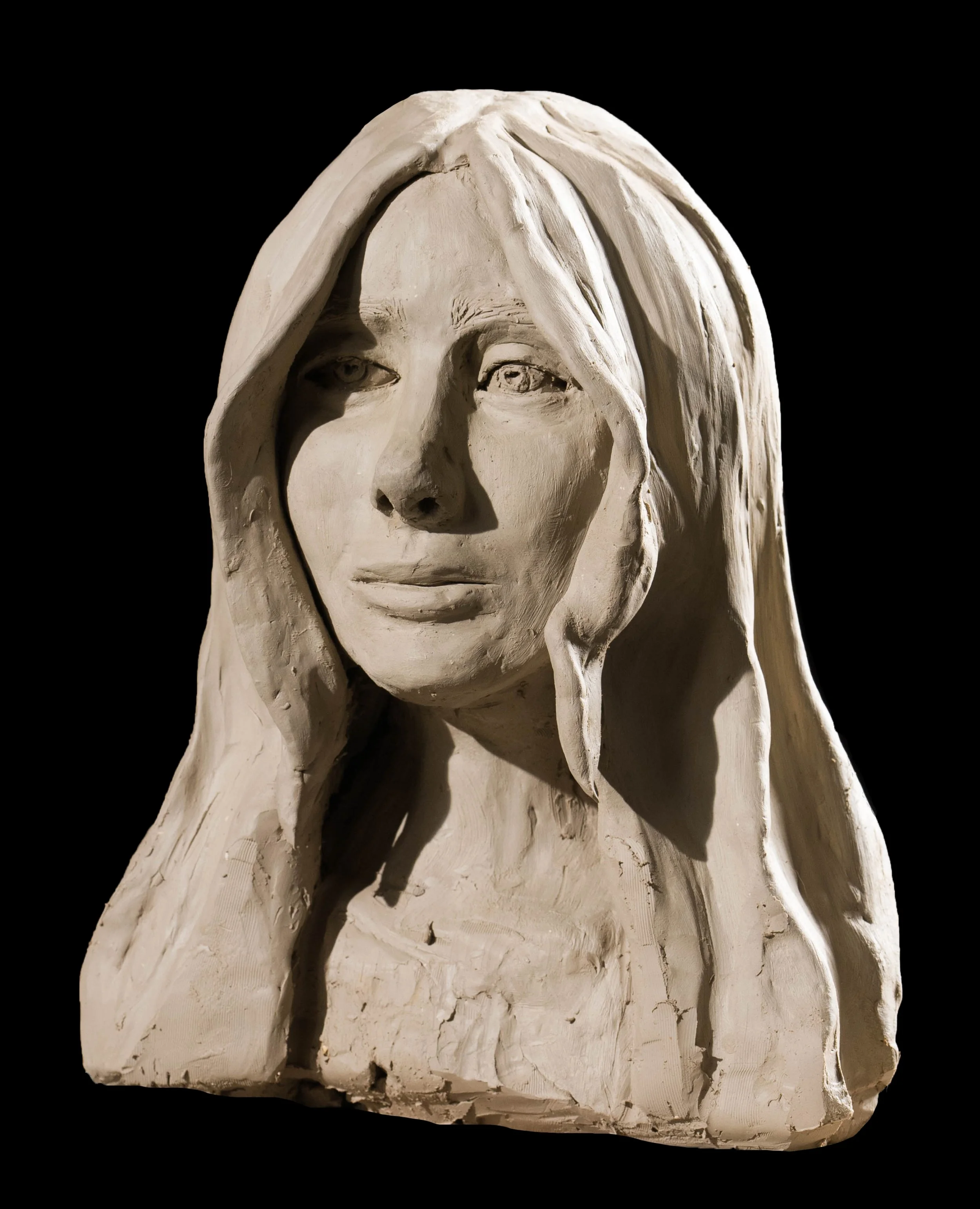 Image 10 of 10
Focus Areas
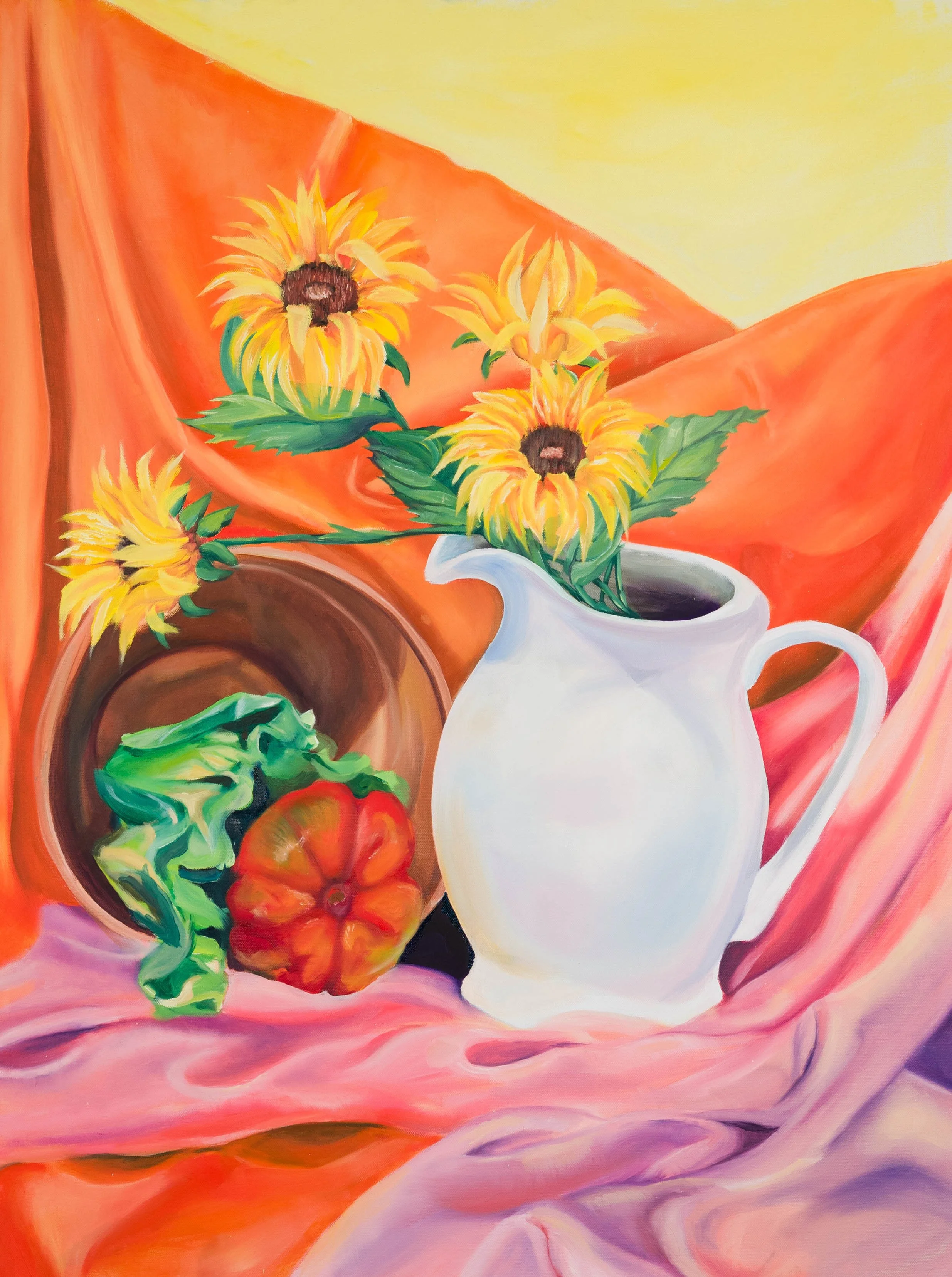
Still Life Drawing & Painting
The foundation of all representational art.
Still life is the most efficient way to build essential drawing and painting skills that transfer to every other subject.
Through direct observation, students develop:
Composition and spatial organization
Proportion and structural accuracy
Line quality and edge control
Light and shadow (value structure)
Color theory and paint handling
Form and dimensionality
Because still life isolates core visual problems, it accelerates growth for beginners while allowing advanced students to refine precision, efficiency, and sensitivity.
Figure Drawing & Painting
Understanding the human form.
Figure study trains the eye to see structure, rhythm, proportion, and movement with clarity and confidence.
Working from live models (Tuesday evenings and Saturday mornings), students develop:
Gesture and movement
Anatomical structure and proportion
Volume and weight
Light on complex organic form
Expressive mark-making
Composition with the figure
Figure drawing is one of the most demanding and transformative disciplines in visual art. It strengthens observational accuracy, structural thinking, and expressive control — skills that elevate all other artistic work.
Sculpture
Thinking in three dimensions.
Sculpture develops spatial intelligence and structural awareness by engaging directly with form in physical space.
Students explore:
Clay modeling techniques
Armature construction
Additive and subtractive processes
Structural integrity and balance
Translating observation into 3D form
Surface treatment and finishing
Working in three dimensions deepens understanding of volume, proportion, and anatomy while strengthening problem-solving and material sensitivity.
Studio Environment
Fine Arts Sessions are structured as focused studio intensives.
Students receive:
Individualized instruction
Technical demonstrations
One-on-one critiques
Group discussion and feedback
A disciplined, professional atmosphere
Mixed-level classes allow serious beginners, high school students, and adult artists to work alongside one another in a collaborative but rigorous setting. Instruction remains personal and attentive.
Who This Is For
High school students seeking strong technical training
Young Artists ready for advancement (by instructor approval)
Adults beginning or returning to studio practice
Artists preparing for portfolio development
Students serious about skill refinement