
 Image 1 of 16
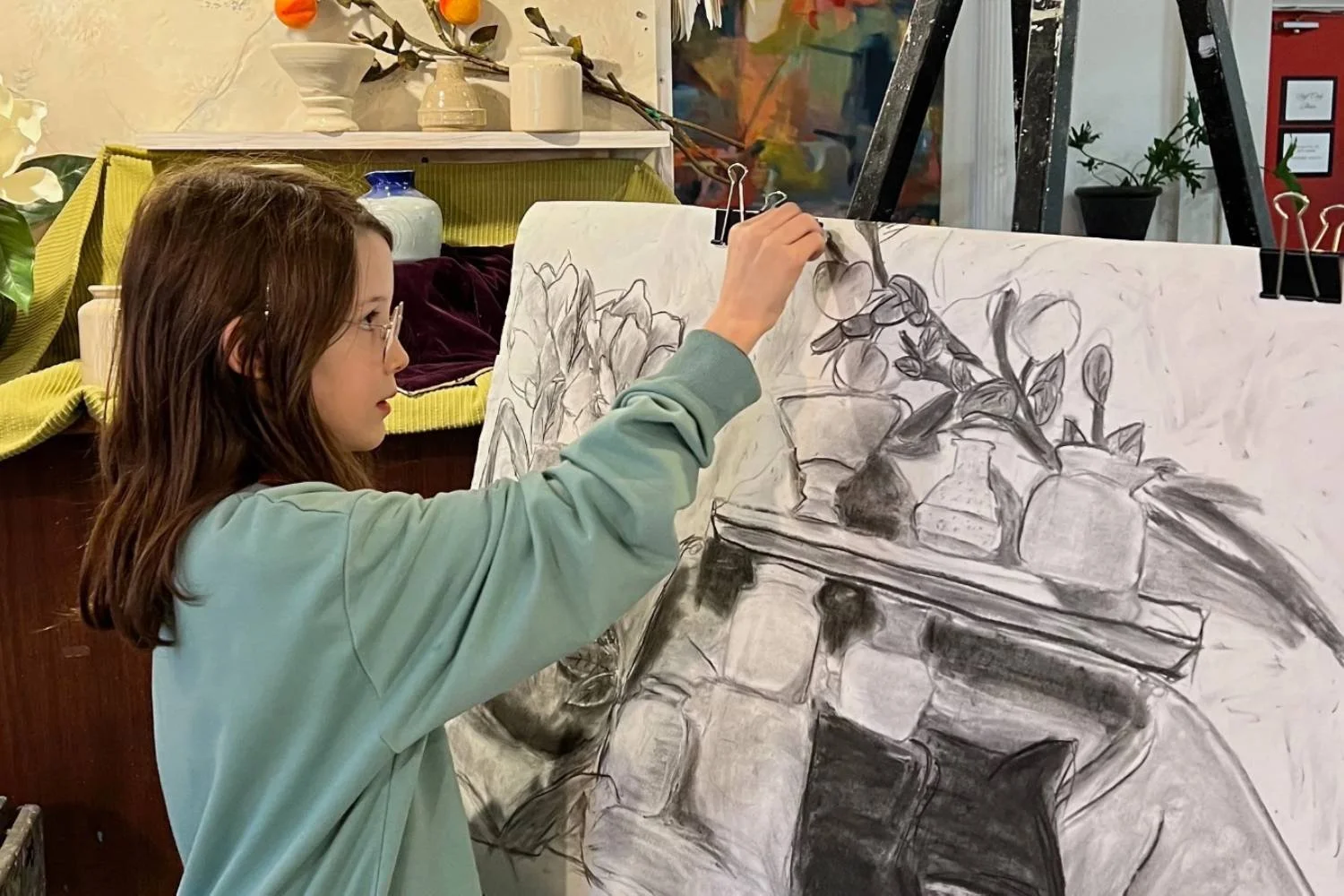 Image 2 of 16
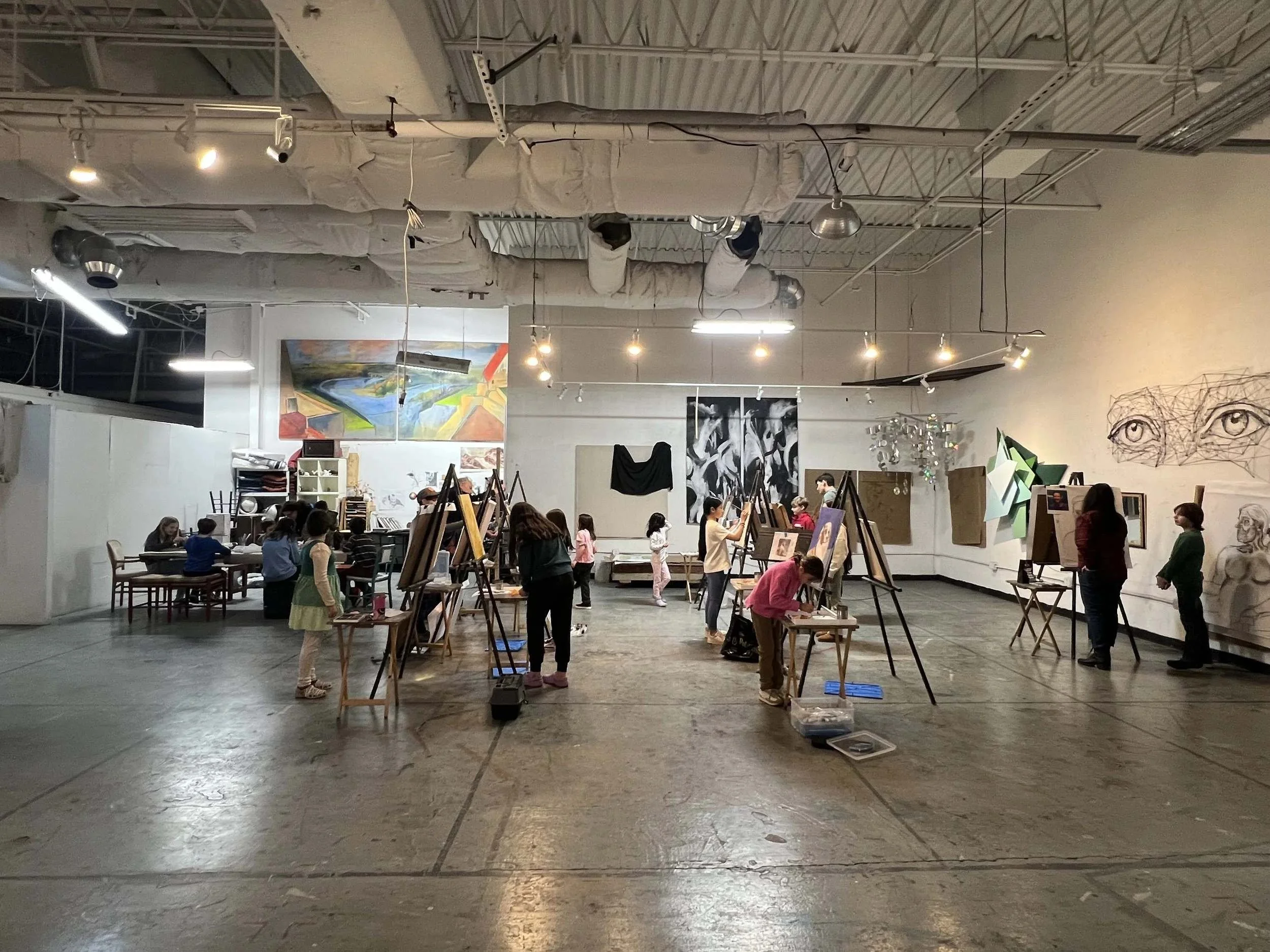 Image 3 of 16
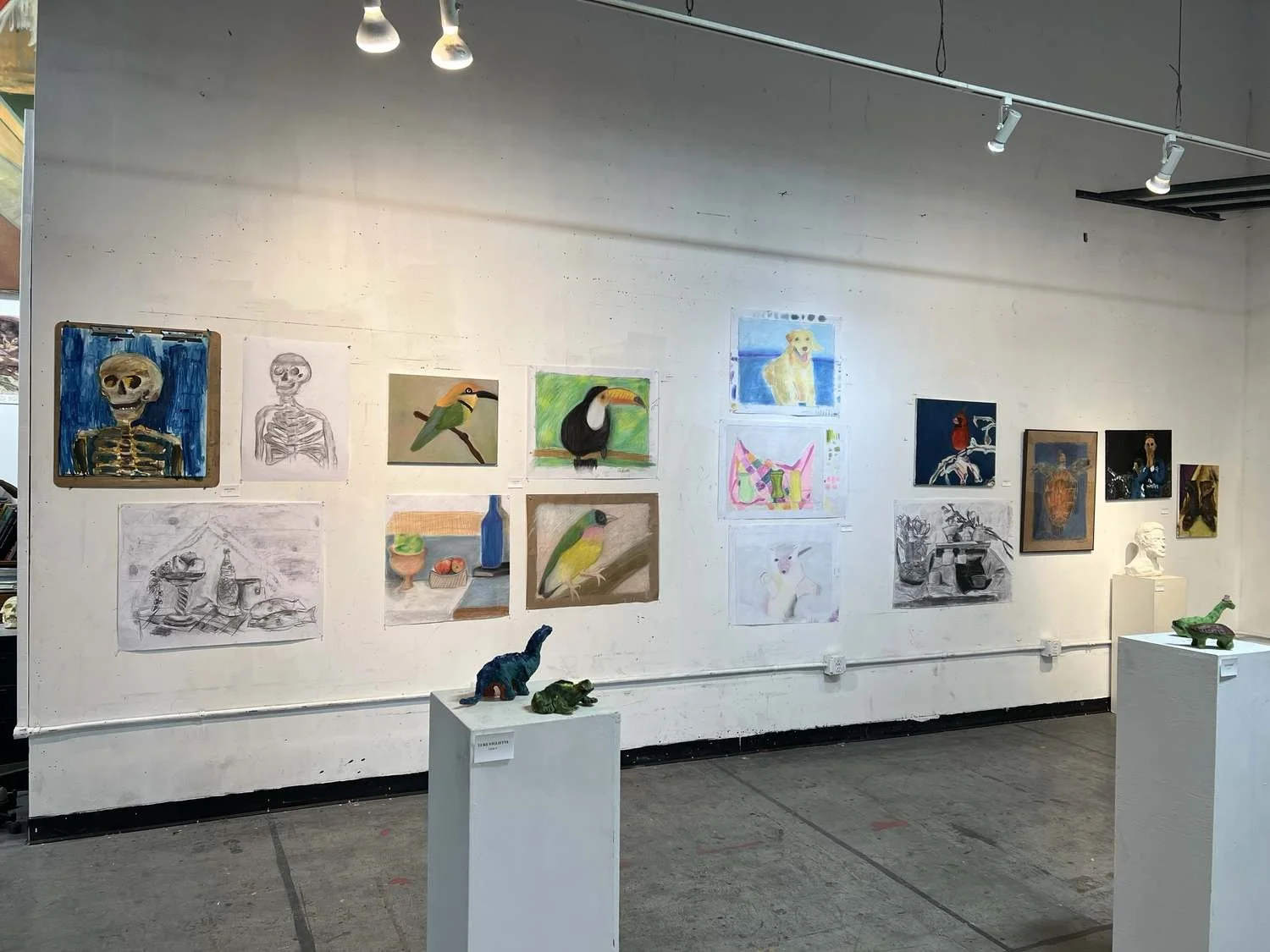 Image 4 of 16
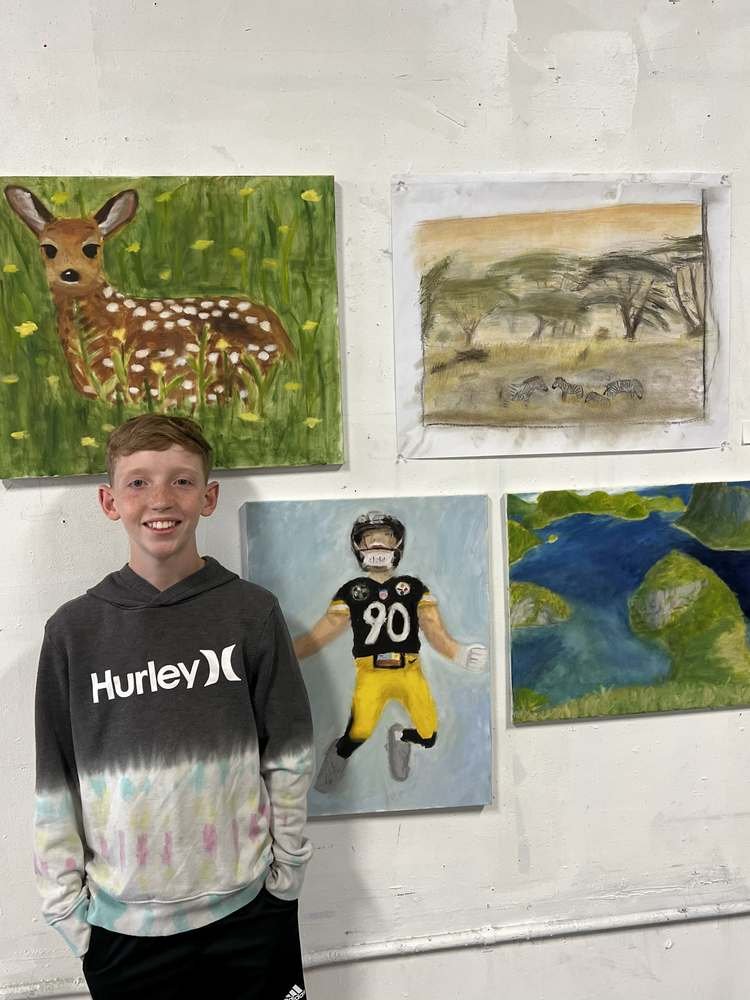 Image 5 of 16
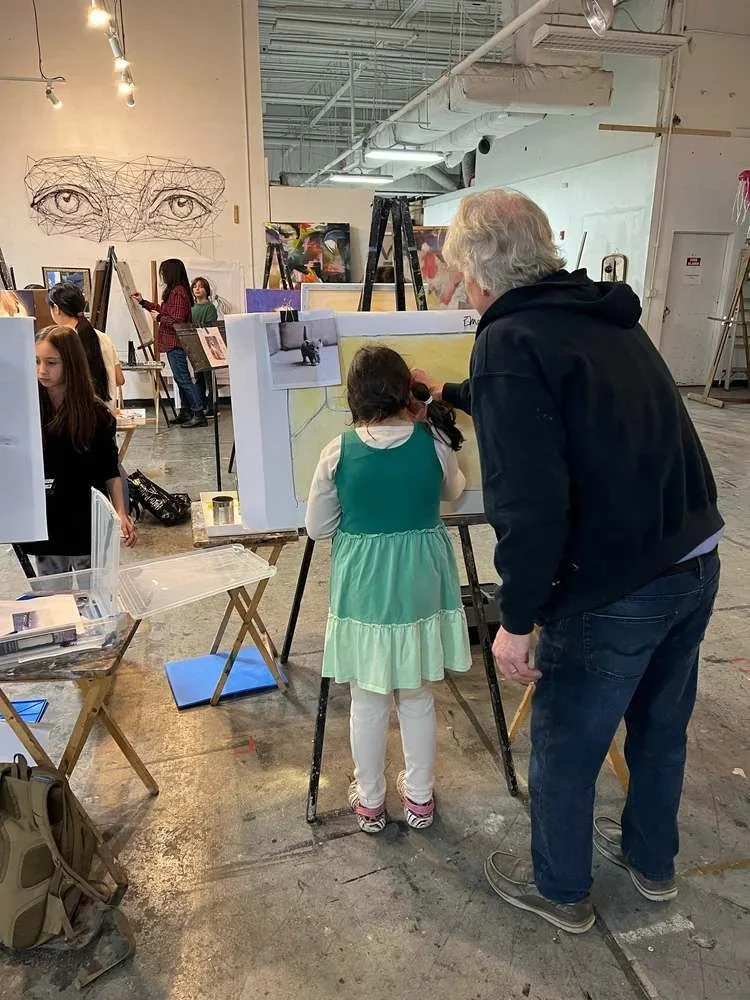 Image 6 of 16
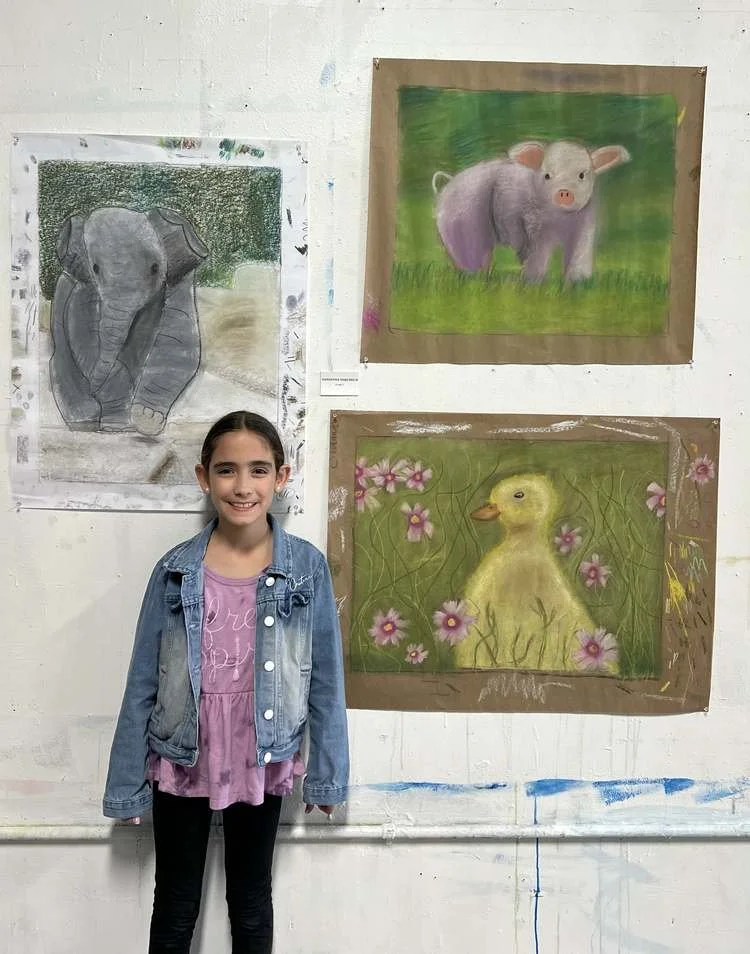 Image 7 of 16
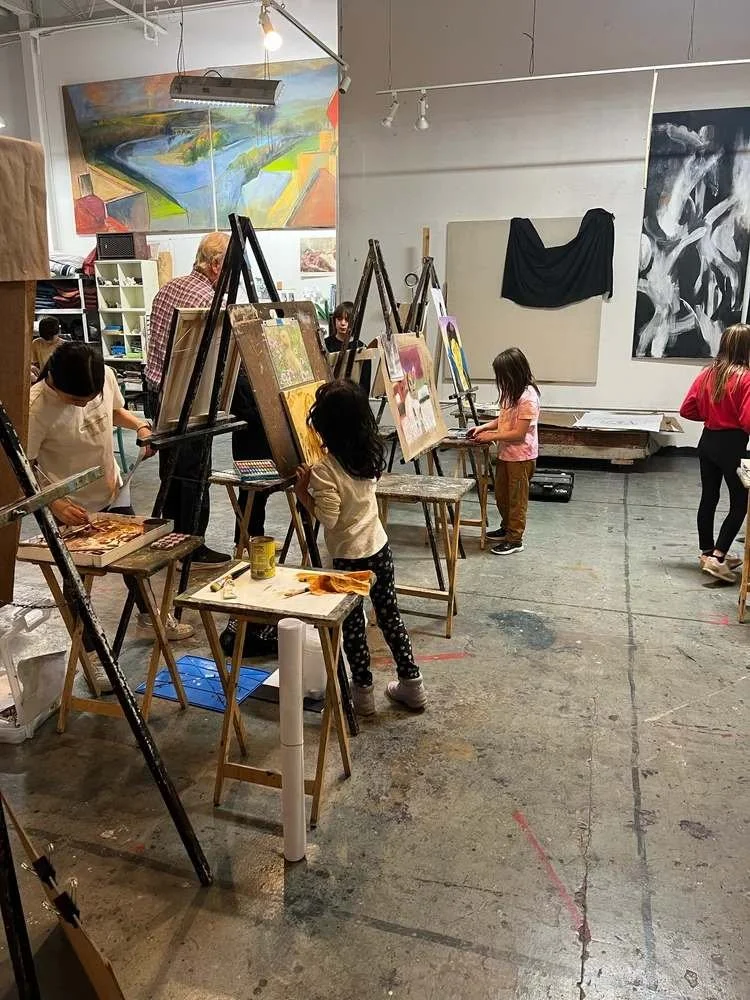 Image 8 of 16
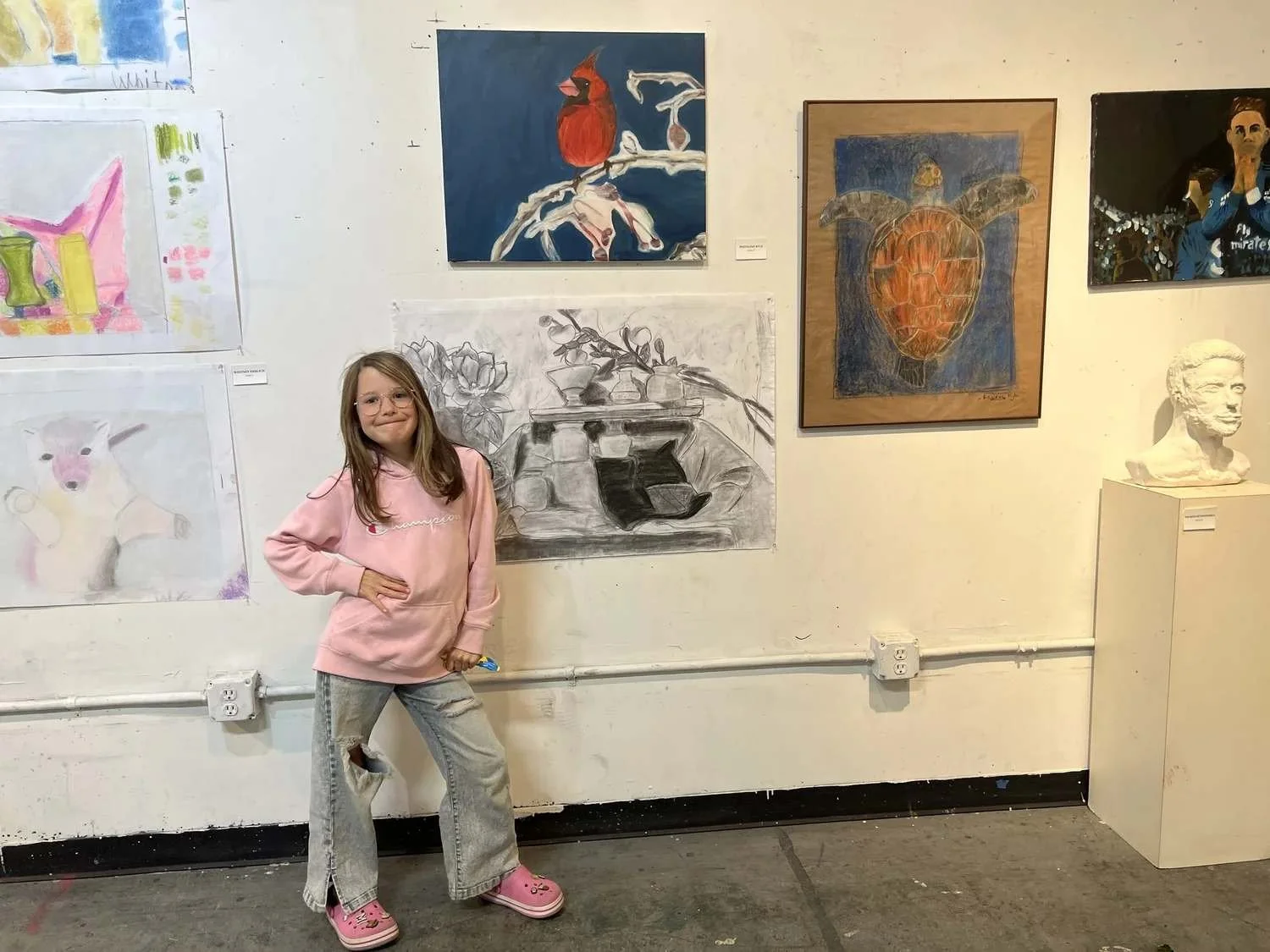 Image 9 of 16
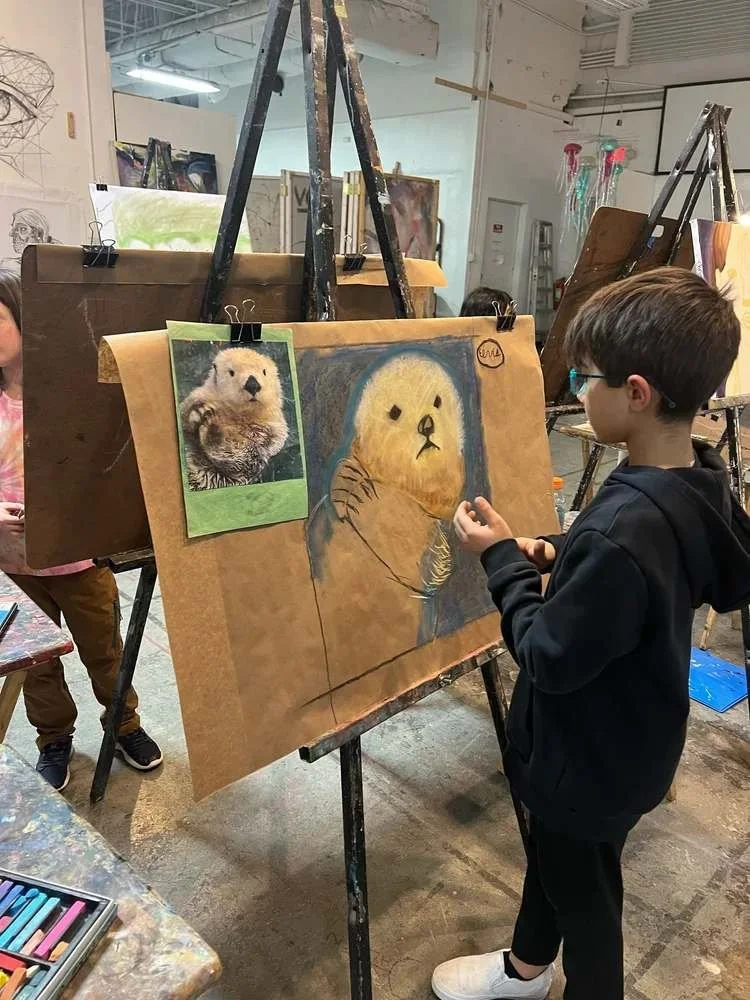 Image 10 of 16
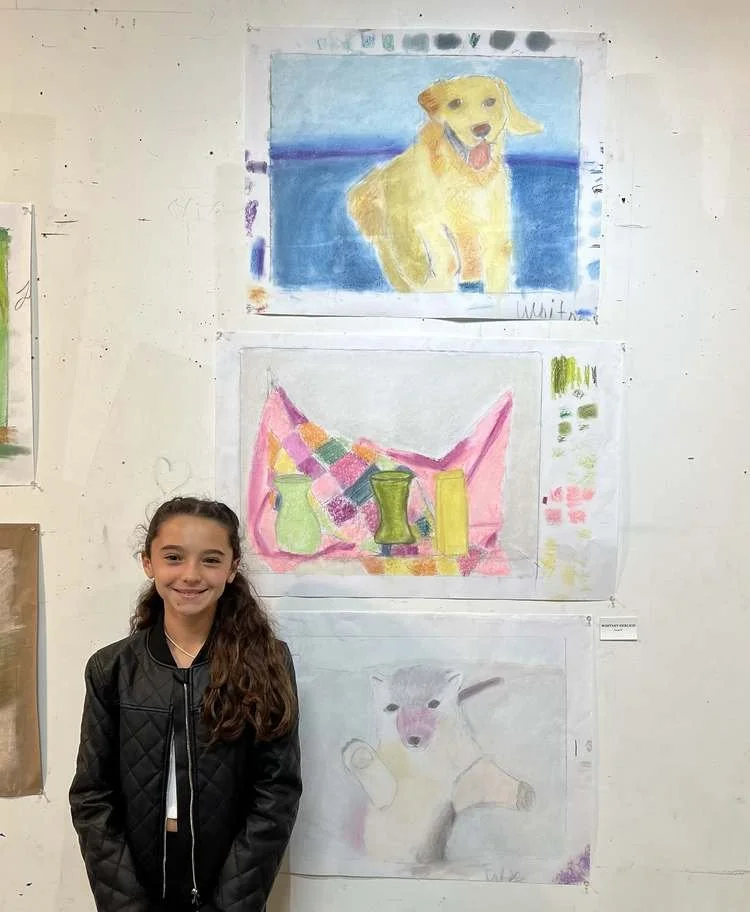 Image 11 of 16
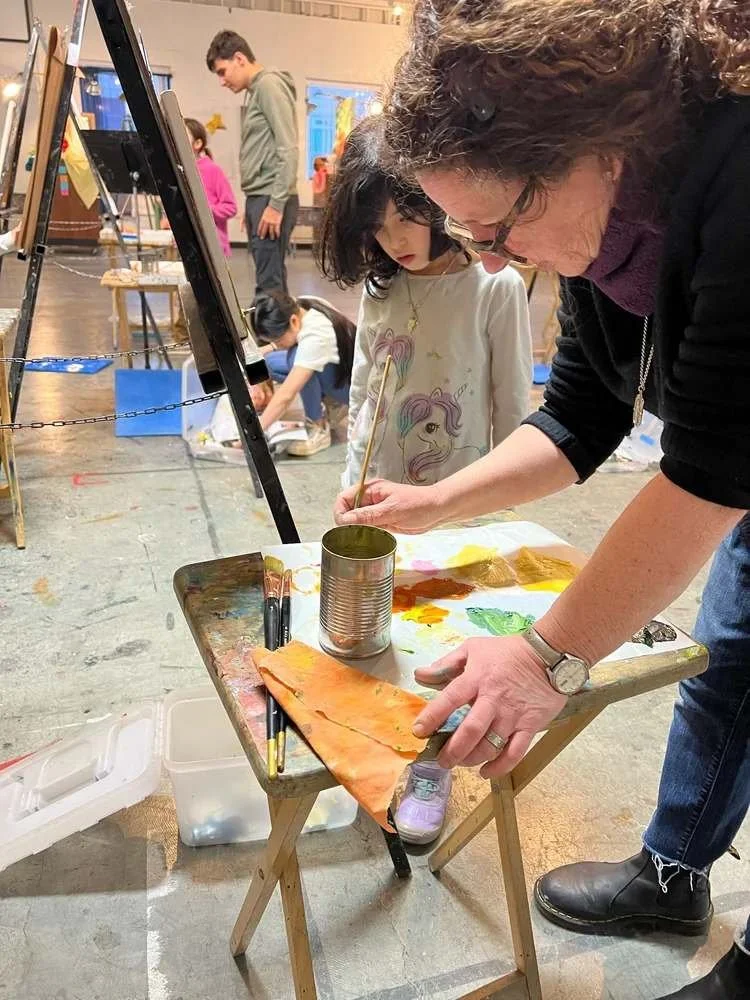 Image 12 of 16
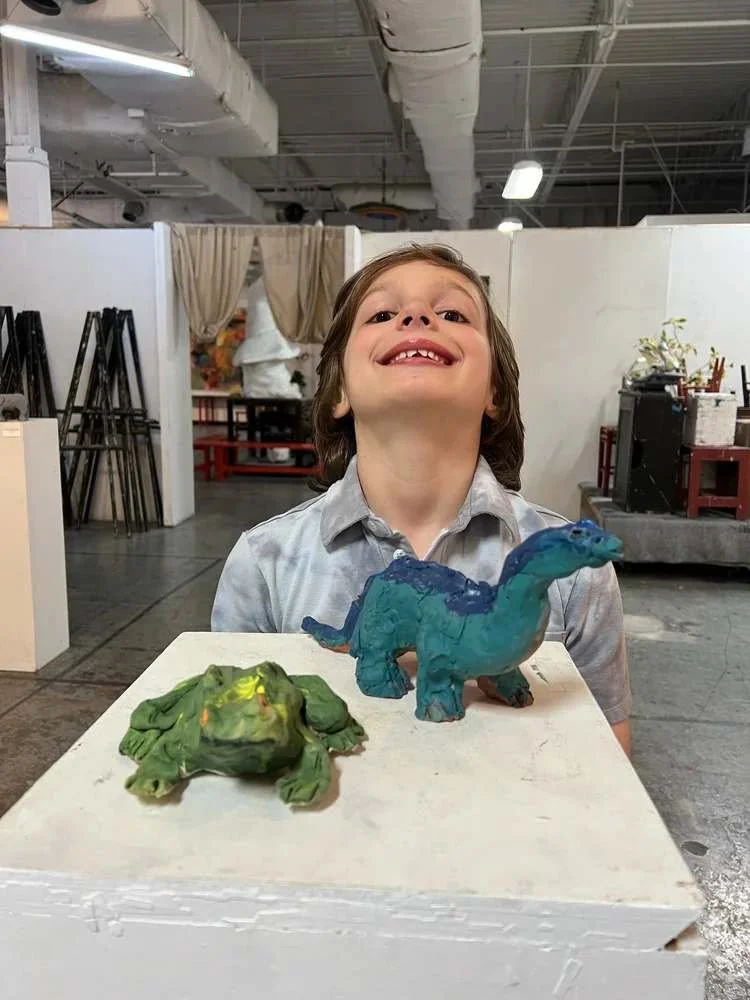 Image 13 of 16
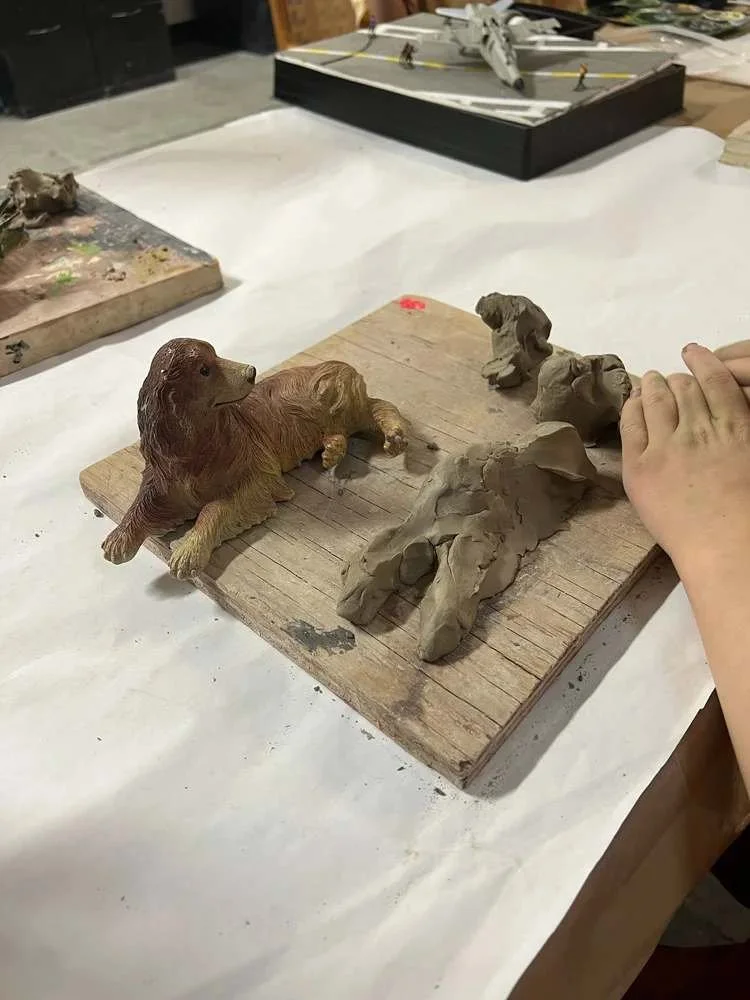 Image 14 of 16
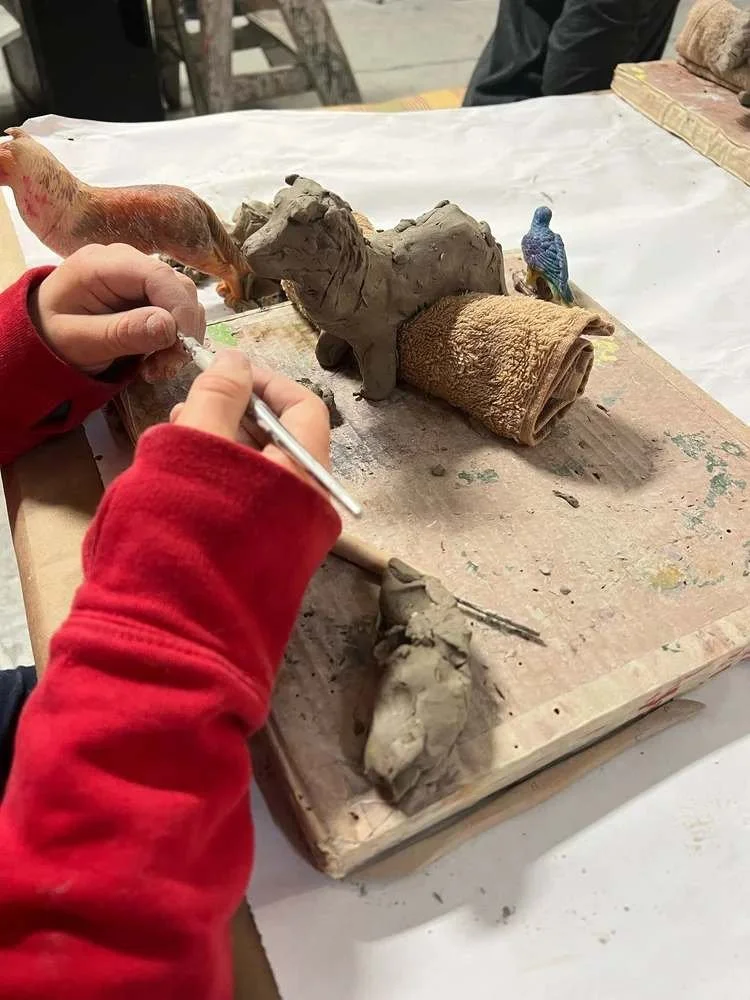 Image 15 of 16
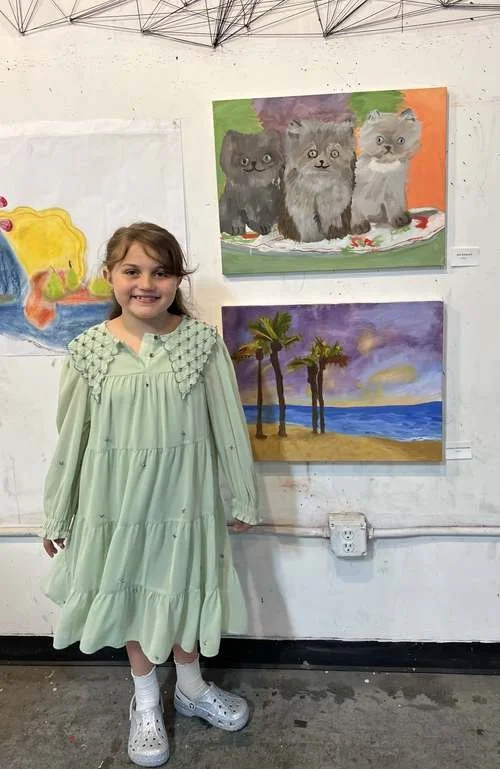 Image 16 of 16
What Students Learn
Technical & Material Skills
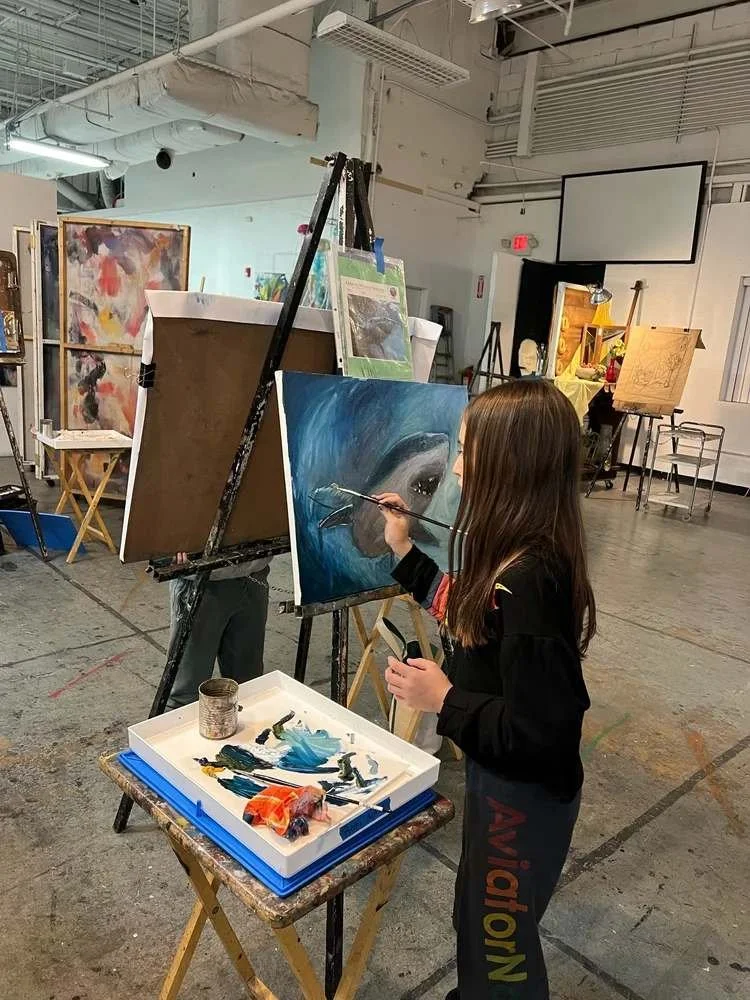
Students work hands-on with professional materials, including:
Charcoal and pastels
Acrylic and watercolor
Clay modeling and 3D construction
Mixed media and assemblage
They learn how to translate three-dimensional observation into strong 2D and 3D artwork while building material confidence and control.
Core Visual Foundations
Students are introduced to:
Line, form, space, and composition
Observational drawing techniques
Proportion and spatial reasoning
Developing an “artistic eye” to observe and interpret the world visually
Art History & Cultural Exposure
Students explore major movements from Impressionism to Modernism, learning how artists communicate ideas, emotion, and cultural context through visual language.
Studio Environment
Students work in a supportive, professional studio environment led by experienced instructors who provide individualized guidance. Mixed-level peer learning fosters collaboration, inspiration, and confidence-building.
We emphasize:
Hands-on instruction
Creative exploration
Technical development
Thoughtful feedback
Why It Matters
Art education at this age supports far more than creativity.
Cognitive & Academic Growth
Strengthens critical thinking and problem-solving
Builds visual literacy and spatial reasoning
Supports focus, persistence, and disciplined work habits
Reinforces skills that transfer to math, science, and writing
Personal Development
Builds self-esteem through accomplishment
Encourages creative independence
Provides a healthy outlet for expression
Develops patience and sustained concentration
Social & Cultural Awareness
Encourages empathy through exposure to diverse artists
Builds confidence through collaborative studio learning
Fosters communication through visual storytelling